Bariatric Surgery in Gurgaon: Procedures, Eligibility & Cost
If diet, exercise, and medication haven't produced lasting results and obesity is affecting your health, bariatric surgery may be an option to consider. This page explains who may be eligible, how the main procedures differ, what recovery involves, and the factors that can affect bariatric surgery cost in Gurgaon.
Eligibility depends on clinical factors such as BMI, obesity-related health conditions, and overall fitness for surgery. Common considerations include:
- A BMI of 40 or above, regardless of other health conditions
- A BMI of 35–39.9 with conditions such as type 2 diabetes, hypertension, or obstructive sleep apnea
- A history of trying diet, exercise, or medication-based weight loss without lasting results
- Overall fitness for surgery and anaesthesia after a pre-operative medical assessment
- Willingness to follow the required dietary and lifestyle changes after surgery
Your bariatric surgeon will assess your health, BMI, medical history, and weight-loss goals to determine whether surgery is appropriate for you.
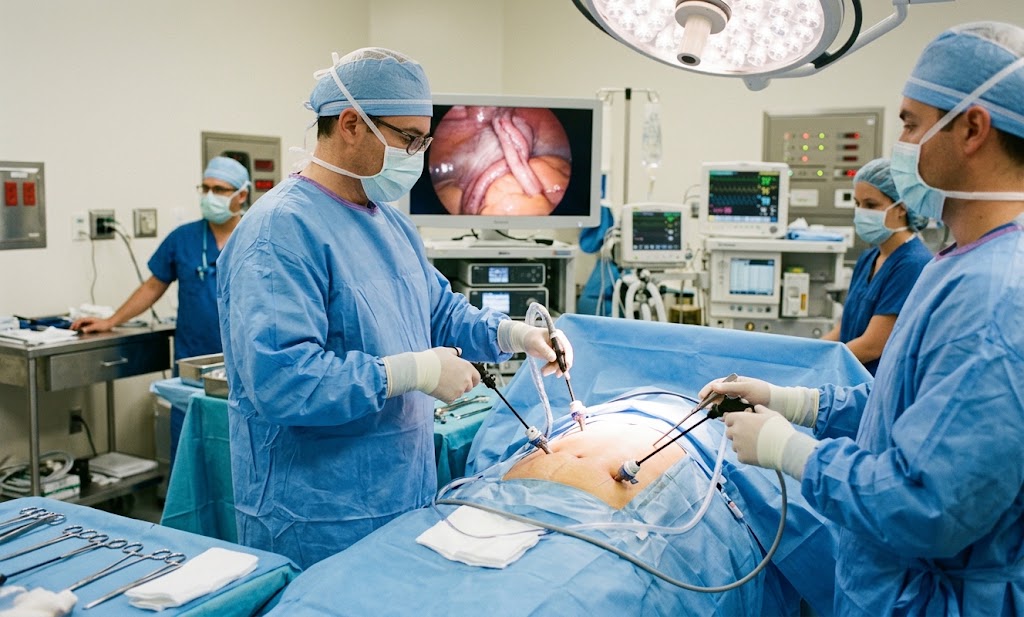
Laparoscopic vs. Robotic Bariatric Surgery
Most bariatric procedures today are performed laparoscopically — through small incisions using a camera and instruments — rather than open surgery, which already means less pain and a shorter hospital stay than older open techniques. Robotic-assisted bariatric surgery adds further precision and range of motion for certain complex or revisional cases, though standard laparoscopic technique remains well-established and appropriate for the majority of patients.
Recovery Timeline and Life After Surgery
| Timeframe | What Generally Happens |
|---|---|
| Hospital Stay | Typically 1–3 days for laparoscopic procedures, depending on the specific surgery and recovery. |
| Weeks 1–2 | Patients generally follow a liquid diet and gradually return to light physical activity. |
| Weeks 2–6 | Diet usually progresses from pureed foods to soft foods and then gradually to regular food textures. |
| Months 1–6 | This is often the most significant phase of weight loss, with regular follow-up with the surgical and dietician team. |
| Ongoing | Long-term follow-up helps monitor nutrition, weight changes, and obesity-related health conditions. |
Support for International Patients
Bariatric surgery is one of the more common procedures international patients travel to Gurgaon for, given the cost difference compared with many other countries. If you're planning treatment from outside the region, our International Patient Guide to Treatment in Gurgaon covers travel, visa, and stay planning in detail.
Frequently Asked Questions
Find answers about bariatric surgery eligibility, gastric sleeve and bypass procedures, weight loss, diet, insurance, and revision surgery.
Talk to a Bariatric Surgery Specialist in Gurgaon
If diet and exercise haven't produced lasting results and obesity is affecting your health, a specialist evaluation can help determine whether bariatric surgery is appropriate and which procedure may suit your needs.
Book a consultation with Trustmed Health's bariatric surgery team.
Book an Appointment
Get Expert Oncology Guidance