Hip pain has a way of narrowing your world quietly — fewer walks, more trouble with socks and shoes, a shorter fuse for stairs. For many people, it's not one dramatic moment but a slow accumulation that eventually leads to a conversation about hip replacement. This page lays out what that surgery actually involves, how total and partial replacement differ, what recovery looks like week by week, and what tends to affect cost in Gurgaon.
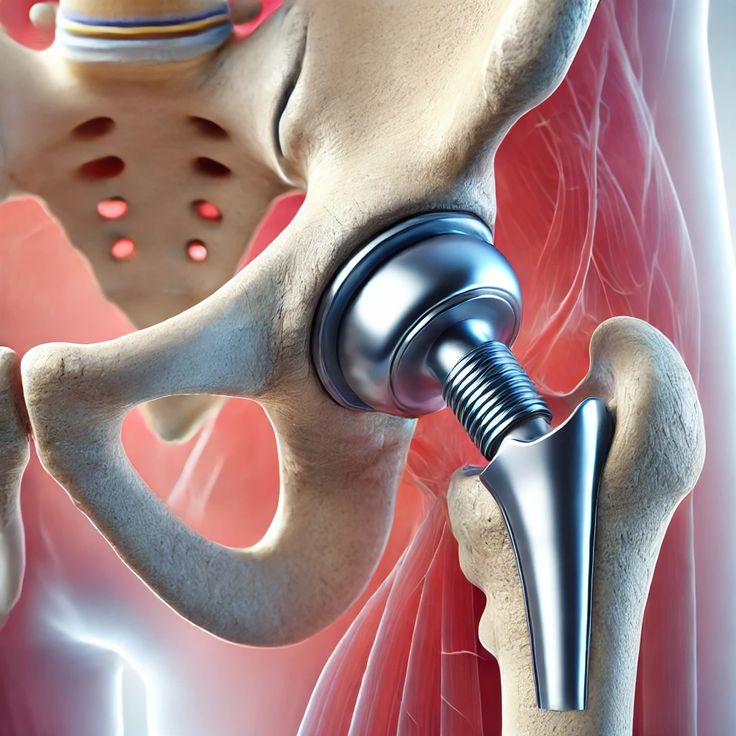
Total vs. Partial Hip Replacement
Recovery Timeline: What to Expect
| Timeframe | What Generally Happens |
|---|---|
| Day 1 | Most patients are helped to stand and take a few assisted steps within 24 hours. |
| Days 2–5 | Physiotherapy intensifies; hospital discharge typically by day 3–5. |
| Weeks 2–6 | Walking with a cane or walker; many patients reduce reliance on walking aids. |
| Weeks 6–12 | Most daily activities resume; driving is often possible for many patients by this stage. |
| 3–6 months | Continued strength gains; most patients return to a full range of normal activities. |
Recovery speed depends on age, pre-surgery fitness, surgical approach, and how consistently physiotherapy is followed. These are general patterns, not guarantees.
Life After Hip Replacement: Movement Precautions
Depending on the surgical approach used, your surgeon or physiotherapist may recommend temporary precautions — such as avoiding certain deep bending or crossing your legs — for the first several weeks while tissue around the new joint heals. These restrictions are usually eased gradually and explained clearly before you're discharged.
Support for Out-of-Station and International Patients
Gurgaon's proximity to Delhi's international airport makes it a practical choice for patients travelling from elsewhere for joint replacement. Our International Patient Guide to Treatment in Gurgaon covers visa, travel, and stay planning for the full treatment window.
Frequently Asked Questions
Find answers to common questions about hip replacement types, recovery expectations, implant longevity, and costs in Gurgaon.
Book an Appointment
Get Expert Oncology Guidance