Cataract Surgery in Gurgaon: Treatment, Symptoms & Lens Options
Cataracts develop slowly enough that most people adjust without quite noticing — until reading, night driving, or recognising faces across a room becomes genuinely difficult. The reassuring part is that cataract surgery is one of the most common and well-established procedures in modern medicine. This page covers how to recognise a cataract, how the surgery actually works, what lens options mean for your day-to-day vision afterward, and what tends to affect cost in Gurgaon.
- Blurry or cloudy vision that doesn't improve with a new glasses prescription
- Increasing difficulty with night driving, particularly glare from oncoming headlights
- Colours appearing faded or slightly yellowed
- Frequent changes in glasses or contact lens prescription
- Difficulty reading in normal light, or needing brighter light than before
Cataracts are diagnosed through a standard eye examination, and the decision to proceed with surgery is generally based on how much the cataract is affecting your daily activities and quality of life, not on the cataract's appearance alone.
Extended Depth of Focus (EDOF) Lens
Aims to provide a continuous range of clear vision with fewer visual disturbances than some multifocal lenses, representing a middle ground between monofocal and multifocal options.
Your ophthalmologist will assess your cornea, lifestyle, and visual priorities — how much you read, drive at night, or use screens — before recommending a lens category, since the right choice varies meaningfully by individual.
What Happens on the Day of Surgery
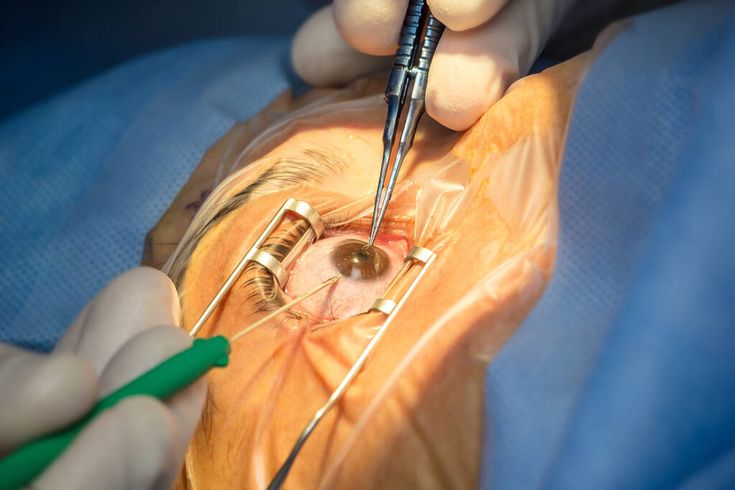
Cataract surgery is generally a short outpatient procedure. Here is what you can typically expect on the day of surgery:
Recovery: What to Expect
| Timeframe | What Generally Happens |
|---|---|
| Day 1 | Mild irritation or grittiness is common; a protective shield is often worn while sleeping. |
| Days 2–7 | Vision gradually clears; prescribed eye drops continue to prevent infection and inflammation. |
| Weeks 1–4 | Most visual recovery occurs; follow-up visits confirm healing is on track. |
| 4–6 weeks | Final glasses prescription, if still needed, is typically confirmed once the eye has fully settled. |
Support for Out-of-Station Patients
Because cataract surgery is typically a same-day outpatient procedure with a short recovery window, it's a common choice for patients travelling from outside Gurgaon. If you're planning treatment from outside the region, our International Patient Guide to Treatment in Gurgaon covers travel and stay planning for shorter treatment visits as well as longer ones.
Frequently Asked Questions
Find answers about cataract surgery in Gurgaon, pain and recovery, lens options, laser-assisted surgery, and the need for glasses after cataract treatment.
Book an Appointment
Get Expert Oncology Guidance