Brain Tumor Treatment in Gurgaon
A suspected or confirmed brain tumor is one of the more frightening things a person or their family can face, and the flood of information online rarely helps. This page is meant to slow things down a little — explaining, in plain terms, how brain tumors are diagnosed, what "benign" and "malignant" actually mean for treatment, what the main treatment paths look like, and what tends to affect cost — so that when you do sit down with a neurosurgeon in Gurgaon, you're asking informed questions rather than starting from zero.
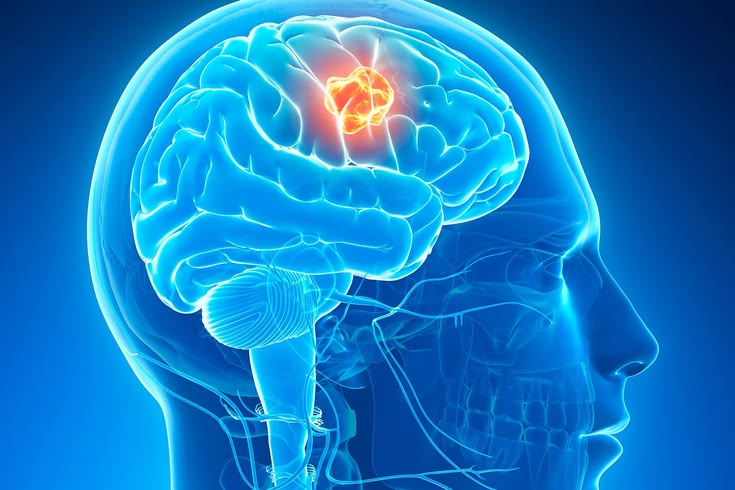
How Brain Tumors Are Diagnosed
Accurate diagnosis involves a combination of high-resolution imaging, specialized neurological tests, and tissue sampling to evaluate the tumor's exact location and characteristics.
A benign brain tumor doesn't spread to other parts of the body, but its location still matters enormously — a benign tumor pressing on a critical area of the brain can still cause serious symptoms and may still need treatment. A malignant (cancerous) tumor grows more aggressively and may need a combination of surgery, radiation, and chemotherapy. The tumor's exact type, grade, and location — not just whether it's benign or malignant — determine the treatment plan, which is why biopsy results are central to decision-making.
Recovery and Follow-Up
| Stage | What Generally Happens |
|---|---|
| First 24–48 hours | Close monitoring in a neuro-ICU or high-dependency unit. |
| Days 3–7 | Gradual mobilisation; hospital stay is typically 5–10 days depending on the procedure. |
| Weeks 2–6 | Follow-up MRI to assess results; physiotherapy or speech therapy if needed. |
| Ongoing | Regular scans and oncology follow-up, especially for malignant tumors. |
Getting a Second Opinion Before You Decide
A brain tumor diagnosis is significant enough that many patients and families choose to have a second specialist review the imaging and biopsy results before finalising a treatment plan. Our Second Opinion Consultation service is built specifically for this — reviewing existing reports and scans rather than starting the diagnostic process over.
Support for Patients Travelling to Gurgaon
Gurgaon's neurosurgery centres attract patients from across India and abroad, partly due to proximity to Delhi's international airport. If you're coordinating treatment from outside the city or country, our International Patient Guide to Treatment in Gurgaon covers travel, stay, and appointment planning in detail.
Frequently Asked Questions
Find answers to common questions about brain tumor diagnosis, surgical options, recovery, and treatment planning in Gurgaon.
Book an Appointment
Get Expert Oncology Guidance