Pacemaker Implantation in Gurgaon: Procedure, Recovery & Cost
Being told you need a pacemaker can come as a surprise, especially when you feel generally well. In some cases, an abnormal ECG, slow heart rate, or an episode of fainting may reveal an underlying heart rhythm problem. This page explains why a pacemaker may be recommended, the different types of pacemakers, how implantation is performed, what recovery involves, and the factors that may affect pacemaker implantation cost in Gurgaon.
A pacemaker may be recommended when the heart's natural rhythm is too slow or irregular to maintain an adequate heart rate. Common reasons include:
- Slow heart rate (bradycardia)
- Heart block or problems with electrical conduction
- Fainting or dizziness caused by abnormal heart rhythms
- Sick sinus syndrome and other rhythm disorders
- Certain heart rhythm problems requiring long-term pacing support
The type of pacemaker recommended depends on the specific heart rhythm problem, overall heart health, and individual treatment needs.
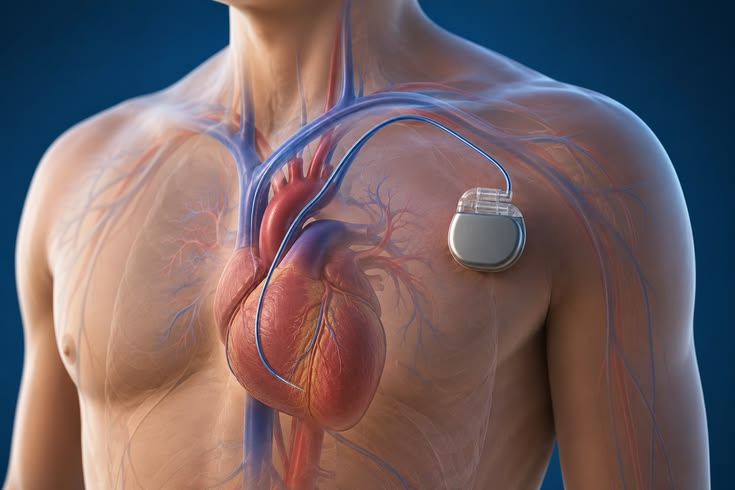
How the Implantation Procedure Works
Pacemaker implantation is usually performed under local anaesthesia with light sedation. The procedure typically takes about one to two hours.
- ECG and Holter monitoring may be performed to confirm the rhythm abnormality.
- Blood tests and, depending on age and medical history, an echocardiogram may be used to assess overall heart function.
- Current medications are reviewed, particularly blood thinners, which may need adjustment before the procedure.
- The appropriate pacemaker type is discussed based on individual cardiac findings and treatment needs.
Recovery Timeline
| Timeframe | What Generally Happens |
|---|---|
| Day of Procedure | Monitoring for a few hours to overnight; most patients are up and walking the same day. |
| Hospital Stay | Typically 1–3 days, depending on the device type and any additional monitoring required. |
| First 4–6 Weeks | Restricted arm movement on the implant side to allow the leads to settle; heavy lifting should be avoided. |
| 4–6 Week Follow-up | Device check to confirm that the pacemaker settings and lead position are stable. |
| Ongoing | Periodic device check-ups, typically every 6–12 months, to monitor battery life and device function. |
Support for Out-of-Station and International Patients
Gurgaon's cardiac centres see patients from across India and abroad, aided by proximity to Delhi's international airport. If you're planning treatment from outside the city or country, our International Patient Guide to Treatment in Gurgaon covers travel, visa, and stay planning in detail.
Frequently Asked Questions
Find answers about pacemaker implantation, recovery, battery life, MRI safety, pacemaker types, and life after pacemaker surgery.
Book an Appointment
Get Expert Oncology Guidance