Bone Marrow Transplant in Gurgaon: BMT & Stem Cell Transplant Care
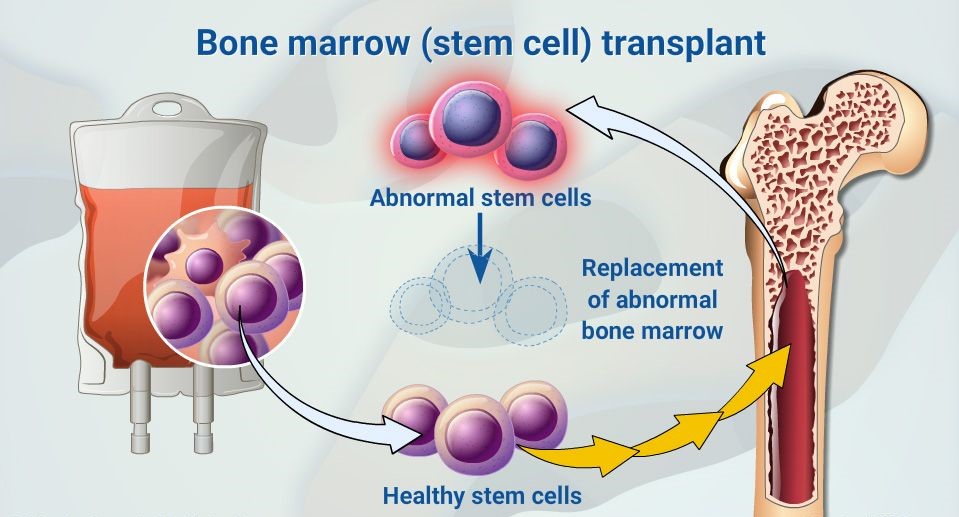
A bone marrow transplant (BMT), also called a stem cell transplant, replaces damaged or diseased blood-forming cells with healthy ones. It is considered for certain blood cancers, bone marrow disorders, and inherited blood conditions, based on an individual's diagnosis and specialist assessment. Trustmed Health helps patients and families in Gurgaon and Gurugram connect with hematology and BMT specialists, understand the evaluation process, and coordinate the practical steps involved in seeking transplant care.
Bone marrow is the spongy tissue inside bones where blood-forming (hematopoietic) stem cells produce red blood cells, white blood cells, and platelets. When this process is damaged by disease or by high-dose treatment, a transplant replaces the affected stem cells with healthy ones — either the patient's own cells collected earlier, or cells from a donor. "Bone marrow transplant" and "stem cell transplant" are often used interchangeably, though the source of the stem cells (bone marrow, peripheral blood, or umbilical cord blood) and collection method can differ.
Conditions That May Require BMT
A bone marrow transplant may be considered depending on the patient's diagnosis, disease status, overall health, and specialist assessment, for conditions such as:
BMT Evaluation
Before a transplant is planned, the transplant team typically reviews the diagnosis and current disease status, overall health and organ function, prior treatment history, infection screening results, and donor availability, including HLA matching where relevant. This evaluation determines whether a transplant is a suitable option and, if so, which type. It is a specialist-led decision and cannot be assessed generically online.
Donor Matching
For an allogeneic transplant, donor matching looks at how closely a donor's HLA (human leukocyte antigen) markers match the patient's own. A closer match generally supports better engraftment and lowers certain risks. Potential donors include matched related donors (usually a sibling), matched unrelated donors found through a donor registry, and haploidentical (half-matched) donors. Finding a suitable donor is not guaranteed for every patient, and the transplant team guides this search as part of the evaluation process.
Risks and Recovery
Bone marrow transplantation is a major medical procedure, and potential challenges vary by transplant type and individual health. Depending on the case, these may include infection, low blood counts, bleeding, graft-versus-host disease (specific to allogeneic transplants), organ-related complications, medication-related side effects, and a risk of disease relapse depending on the underlying condition. Every patient's risk profile is different, and specific outlook or success information should only come from the treating transplant specialist based on individual case details.
Post-Transplant Care
Recovery continues well beyond hospital discharge and typically includes regular follow-up visits, ongoing blood count monitoring, infection precautions, careful medication management, monitoring for complications such as graft-versus-host disease, supportive nutrition guidance where appropriate, and long-term follow-up to track recovery over time. Specific medication and dietary instructions should always come directly from the treating team, not from general information online.
Choosing BMT Care in Gurgaon
Patients evaluating where to seek BMT care in Gurgaon often consider factors such as the availability of hematology and transplant specialists, dedicated transplant units with infection-control protocols, diagnostic and laboratory support for donor matching and monitoring, multidisciplinary coordination between hematology, infectious disease and supportive care teams, and access to intensive monitoring during and after the transplant.
How Trustmed Health Can Help
Trustmed Health, based in Palam Vihar, Gurugram and operating since 2008, helps patients — including those travelling from other cities or countries — connect with specialists in Gurgaon. For patients exploring BMT, this can include an initial video or audio consultation with a specialist before travelling, sharing medical reports and history in advance for specialist review, and receiving a written next-steps plan. Trustmed's broader support also covers hospital coordination, personal assistance during treatment, and post-treatment follow-up for patients who travel to Gurgaon for care.
For Patients Travelling to Gurgaon
Patients and families travelling to Gurgaon for a BMT consultation or treatment can share medical records for specialist review before travel, receive guidance on next steps after that review, and coordinate hospital appointments through Trustmed. No costs, treatment outcomes, visa approval, or survival results can be promised as part of this service.
Frequently Asked Questions
Find answers about bone marrow transplant in Gurgaon, BMT types, eligibility, the transplant process, recovery, risks, and how Trustmed Health helps coordinate specialist care.
Book an Appointment
Get Expert Oncology Guidance